

Fractional COO Support for Founder-Led and Investor Backed Businesses Under $50M
Hands-on fractional COO support for growing businesses that need an experienced operator, not another consultant.
I work alongside founders and leadership teams of lower-middle-market and high-growth businesses, bringing structure to the work, clarity to ownership, and momentum to execution.
When a Fractional COO Can Help
The founder / CEO is still too deep in the day-to-day
As companies grow, too many decisions, approvals, and escalations can continue to run through the founder or CEO. Clearer ownership, stronger accountabilities, and better operating routines reduce that dependence and help the business move forward without constant intervention. The goal is to give the founder more leverage to focus on the decisions, relationships, and priorities only they can own.
-
Creating Leverage for a Founder-Led Business
A founder-led B2B software company had built a strong reputation around its core product and saw opportunities to expand into adjacent offerings. But the business still operated as though the founder could remain closely involved in every major product decision, client issue, staffing question, and growth opportunity. As the company became more complex, the founder was increasingly pulled into day-to-day problem-solving and had less time for product strategy, business development, and the company’s next stage of growth.
The work focused on creating the leadership and operating model needed to move beyond founder-dependent execution. This included defining which decisions should remain with the founder, shifting greater authority to senior leaders, identifying key leadership hires, and clarifying roles across the management team. A clearer structure reduced the founder’s role as the default owner of cross-functional issues and unresolved decisions.
The result was a more scalable leadership model and a stronger foundation for growth. Senior leaders had clearer authority to run their areas, while the founder retained visibility without needing to remain involved in every detail. That created more time to shape the product roadmap, deepen key client relationships, and position the company for its next stage.
The team has grown, but the way the business runs hasn’t
Many growing companies reach a point where informal ways of working no longer keep up. What worked with a smaller team begins to create confusion, duplicated effort, unclear ownership, and inconsistent follow-through. Clearer roles, workflows, decision paths, and operating routines help the business run with greater consistency as it grows.
-
Bringing Structure to a Scaling Advisory Business
A technology consulting and advisory company had grown from a small, closely connected team into a larger organization managing multiple teams and client engagements. Most of its attention remained focused on client delivery, while its internal ways of working had not kept pace. Teams developed different standards, knowledge was difficult to share across engagements, and leaders often learned about risks too late. The business lacked a consistent way to manage delivery, performance, capacity, and growth.
The work focused on building the operating structure needed for the company’s next stage. Clearer roles, management routines, escalation paths, delivery standards, and cross-team forums created greater consistency across the organization. Leadership meetings were redesigned around the issues that mattered most, while shared workflows, templates, and AI-enabled tools reduced manual coordination and made knowledge easier to reuse.
The result was greater visibility and consistency across a growing portfolio of client work. Leaders could identify risks earlier, manage performance more effectively, and remain connected to growth priorities. Teams had clearer expectations for how engagements should be planned, delivered, and shared, creating a stronger foundation for continued growth.
Important priorities aren’t moving quickly enough
In growing businesses, important initiatives often get stuck between teams, delayed by unclear ownership, or crowded out by the day-to-day. Clear priorities, accountable owners, and a consistent execution rhythm keep the right work visible and moving. This turns priorities into progress while keeping execution connected to the broader goals of the business.
-
Leading a Multi-Location Expansion from Plan to Execution
A growing health and wellness practice had a clear opportunity to expand into additional locations, but the initiative was larger and more cross-functional than the existing team had capacity to manage. The founder and staff were already consumed by the day-to-day business, making it difficult to define the plan, coordinate the moving pieces, and sustain progress. Without dedicated leadership, an important growth priority risked stalling before execution began.
The work involved leading the expansion from planning through implementation. This included defining the requirements for the next location, identifying key decisions and workstreams, evaluating operational and financial considerations, and building a practical roadmap. Execution was then coordinated across internal teams, vendors, systems, staffing, timelines, and operational requirements while the existing business continued to run.
The result was a major growth initiative with clear ownership and consistent follow-through. A dedicated operating lead connected decisions, resolved blockers, and kept the work moving without placing the full burden on an already stretched founder and team. The practice could advance its expansion plans while maintaining focus on patients and the performance of its existing locations.
Leadership lacks a clear view of performance
Reporting may exist without giving leadership a clear view of the business. Teams may track activity, but not the metrics that reveal performance, risk, progress, and where decisions are needed. Practical dashboards, focused KPIs, and consistent reporting routines make results easier to understand and act on.
-
Creating Visibility Across a Growing Surgical and Nonsurgical Practice
A plastic surgery practice was growing its surgical business while rapidly expanding its nonsurgical offerings. The opportunity was clear, but leadership lacked the visibility needed to manage performance confidently. Pricing was inconsistent, revenue opportunities were being missed, and disconnected systems made it difficult to understand demand, conversion, profitability, provider productivity, and growth across the business.
The work focused on building a practical reporting foundation. Existing systems and data were assessed, performance baselines were established, and the most important KPIs were identified across surgical and nonsurgical services. New dashboards, reporting routines, workflows, and targeted automation reduced manual effort and gave leadership a clearer view of pricing, consults, conversion, revenue, profitability, and operational trends.
The result was a shift from anecdotal decision-making to more disciplined performance management. Leadership could see what was working, where opportunities existed, where execution was falling short, and where decisions were needed. A shared set of metrics also strengthened accountability and created a more reliable foundation for continued growth.
The founder / CEO needs a trusted thought partner
Founders and CEOs often carry the most complex decisions alone, especially when the business is growing, changing, or under pressure. An experienced operating perspective can help pressure-test priorities, navigate tradeoffs, identify risks, and turn decisions into action. The result is practical thought partnership grounded in execution, not advice alone.
-
Helping a Founder Build the Business Around the Product
An early-stage consumer company had a differentiated product vision and a founder with deep product-development expertise. But as the business moved toward commercialization, decisions around funding, go-to-market strategy, assortment, channel mix, operations, and growth sequencing became increasingly complex. The founder needed an experienced partner to help build the business around the product.
The work focused on pressure-testing priorities and translating broad growth questions into practical decisions. This included evaluating product and assortment expansion, determining which channels to pursue first, identifying the capabilities needed to support growth, and aligning funding requirements with the company’s next stage. The objective was not to replace the founder’s vision, but to create a clearer decision framework and execution path around it.
The result was a more grounded roadmap from product creation to business building. The founder gained greater clarity on what to prioritize, what to defer, where risks existed, and which decisions needed to be made before scaling. With strategy and execution more closely connected, the founder could move forward with greater confidence and focus on the areas where their expertise added the most value.

Clarity / Structure / Momentum
What Fractional COO Support Includes

Operating Model & Rhythm
As businesses add people, functions, and complexity, informal ways of working stop scaling. I help clarify roles, decision rights, handoffs, and escalation paths. Together, we establish the leadership cadence and management routines that create accountability and consistent execution. The result is less reactive management, clearer accountability, and a business that executes more reliably.
This can include:
• Organizational and role design
• Decision rights and escalation paths
• Cross-functional handoffs and accountability
• Leadership meetings and operating cadence
• Planning, review, and follow-through routines

Performance Visibility
Growing businesses often have plenty of data but no shared view of what is actually happening. I define the measures that matter, build reliable reporting and dashboards, and embed performance reviews that help leaders identify issues earlier, make better decisions, and act on opportunities faster. The goal is not more reporting, but clearer insight that helps leadership act with greater focus and confidence.
This can include:
• KPI and performance-measure design
• Common definitions and sources of truth
• Leadership dashboards and reporting
• Revenue, margin, capacity, and operational visibility
• Ongoing performance-review routines

Founder / CEO Leverage
When too much of the business still runs through the founder or CEO, leadership capacity becomes the constraint. I step into day-to-day operating leadership, take ownership of critical issues, strengthen ownership across the leadership team, and provide candid challenge and thought partnership. This creates more space for the CEO to focus on growth, customers, capital, and the decisions only they can make.
This can include:
• Taking ownership of critical operating issues
• Reducing day-to-day founder dependence
• Strengthening leadership ownership and decision-making
• Providing candid challenge and executive thought partnership
• Supporting leadership transitions and organizational growth

Strategic Planning & Cross-Functional Execution
Strategy only creates value when the organization can execute it. I help leadership narrow its focus, translate priorities into sequenced plans with clear owners and milestones, and actively manage the dependencies, decisions, and risks required to move critical work through completion. Stronger coordination and consistent follow-through keep complex, cross-functional initiatives moving.
This can include:
• Annual and quarterly planning
• Strategic roadmaps and initiative sequencing
• Clear owners, milestones, and measures
• Cross-functional program leadership
• Dependency, risk, and decision management

Systems, Workflows, & Automation
Growth tends to layer new tools and workarounds onto processes that were never designed to scale. I redesign workflows, clarify how systems and teams should work together, and implement practical automation and AI that reduce manual effort, errors, and unnecessary coordination. The result is less friction and more efficient day-to-day execution.
This can include:
• End-to-end workflow redesign
• System roles, requirements, and handoffs
• Tool selection and implementation
• Practical automation and AI opportunities
• Adoption, training, and new ways of working

Operating Performance & Margin Expansion
Operational and financial performance are examined together. Revenue growth does not automatically translate into stronger margins, capacity, or cash generation. I identify the operational and economic levers that matter most, then lead the work across pricing, utilization, staffing, vendor spend, and productivity to capture measurable value. The focus is on translating insight into practical changes that improve discipline, efficiency, and profitability.
This can include:
• Margin and operating-performance diagnostics
• Pricing, mix, and revenue-quality opportunities
• Staffing, capacity, and utilization
• Vendor spend and procurement
• Productivity and cost improvement

About Bhavik
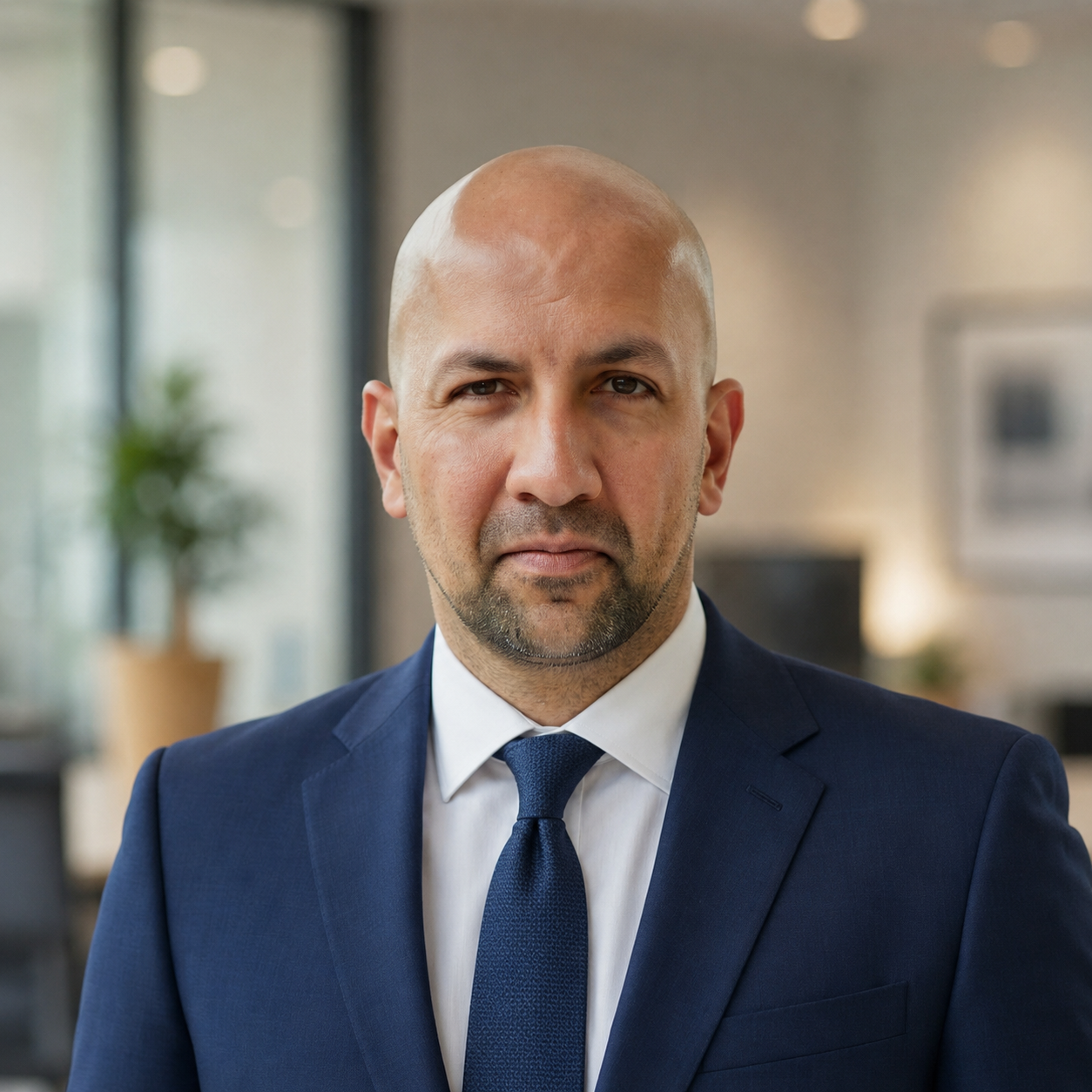
I founded Fairmount Advisory to help growing businesses navigate the point when their ambitions and complexity have outpaced the way they operate. At that stage, the need is rarely another set of recommendations. It is senior operating leadership that can work alongside the CEO, take ownership, and turn important priorities into consistent execution, before, or instead of, adding a full-time COO.
Over nearly two decades, I have helped businesses grow, transform, and navigate periods of significant complexity. My experience spans consulting at Deloitte, operating leadership roles at lululemon and Away, and serving as COO of a venture-backed company. Across those roles, I have built businesses and operating functions from the ground up, led enterprise transformations, guided organizations through crises, and helped founder-led companies prepare to scale.
That range shapes how I approach the work. I know what disciplined, scaled operations look like, but I also know that a growing business cannot simply import the systems and processes of a large enterprise. It needs enough structure to create clarity, accountability, and consistency, without losing the speed and entrepreneurial energy that made it successful. Knowing what to build, what to leave alone, and when the business is ready for more is central to the work.
Through Fairmount Advisory, I work closely with a small number of founder-led and investor-backed businesses at a time. I get close enough to understand how the business actually runs, build trust across the leadership team, and take direct ownership of the priorities that matter most. That may mean strengthening the operating model, leading a critical cross-functional initiative, improving performance visibility, or helping the CEO create more capacity to lead.
The measure of the work is not the recommendation. It is whether the business makes better decisions, executes more consistently, and is better equipped to capture the growth ahead.
Ways we can work together
Fractional COO Support
An embedded operating partner for businesses that need senior leadership without adding a full-time executive. The engagement flexes around the company’s most important needs, particularly those that cut across teams or do not fit neatly within one function. This may include leading cross-functional priorities, strengthening decision-making and reporting, improving workflows, or creating greater leverage for the CEO. The result is practical, experienced operating leadership that becomes part of how the business runs.
Operating Assessment
A focused diagnostic for businesses that need a clearer view of what is working, what is creating friction, and where change would have the greatest impact. It examines how the company operates across leadership, decision-making, performance visibility, workflows, systems, organizational structure, and execution. Findings are translated into a practical set of priorities and recommendations, with a clear view of what should be addressed first, what can wait, and what level of support may be needed. It is designed to give founders and leadership teams an objective operating perspective before committing to a broader transformation or ongoing engagement.
Focused Operating Projects
Time-bound engagements for businesses that need dedicated senior support on a specific operating priority without creating an ongoing role. Each project is built around a clear outcome, such as strengthening leadership planning, improving performance reporting, redesigning workflows, or implementing better systems. The work is practical and implementation-oriented, with a defined scope, clear deliverables, and flexibility to respond to what is uncovered along the way. It brings focused ownership and momentum to work the existing team may not have the capacity or expertise to lead.
Founder / CEO Advisory
A trusted operating thought partner for founders and executives navigating important decisions, growth, or change. The work focuses on pressure-testing priorities, evaluating organizational choices, working through tradeoffs, and bringing clarity to complex situations. Unlike a Fractional COO engagement, the role does not include owning execution or managing the company’s operating cadence. It provides experienced, practical counsel while the founder or leadership team remains responsible for implementation.
Commonly Asked Questions
The Role
-
An experienced operator who joins your business on a part-time basis. I work alongside you and your leadership team, take ownership of important operating priorities, and turn decisions into consistent execution - creating more capacity for you to focus on growth
-
The difference is what happens after the recommendation. A consultant studies the business, tells you what to change, and hands you a plan. I help decide what to change and then stay to make it happen - leading the work, running the operating routines, and keeping the team moving. I'm also not a junior operations hire or an extra project manager. The value is senior judgment combined with hands-on ownership inside the business.
-
Sometimes you should, and I'll tell you if I think that's the answer. But a full-time COO is a senior, expensive, hard-to-reverse hire, and many businesses between $5M and $50M need the capability well before they need the headcount. Fractional gets you the experience now, and it usually clarifies what the full-time role should actually be when the time comes.
-
The usual trigger is that the business has grown and the way it operates hasn't kept pace. Too many decisions still reach your desk, accountability is unclear, priorities stall between teams, or you can't get a reliable view of performance. Any one of those is a sign the business needs more operating leadership than it has today.
-
No. My role is to help the existing team operate more effectively. That can mean clarifying ownership, improving how leaders work together, closing a temporary leadership gap, or helping individual leaders take on more responsibility. The goal is to strengthen the organization, not build a parallel one.
Working Together
-
Founder-led and private equity-backed businesses, typically $5M to $50M in revenue. The revenue number matters less than the situation: the strongest fit is a growing business facing more complexity than its current leadership structure and operating model can comfortably handle.
-
That depends on what's getting in the way, and we agree on it at the start. Common examples:
Redesigning the operating model and running the leadership cadence
Owning a critical cross-functional initiative end to end
Building performance reporting and leading the reviews that follow from it
Simplifying systems, workflows, and handoffs
Leading pricing, staffing, and margin work
Whatever we choose, ownership means I'm accountable for the outcome, not just for advising on it.
-
Every engagement starts with a conversation about what has changed, where execution is breaking down, and what you need from the role. Depending on the situation, we may begin with an Operating Assessment, a focused project, or direct fractional COO support.
-
Ongoing fractional COO work is typically one to two days a week, set by how much ownership the business actually needs rather than a fixed package. CEO advisory is lighter - a few sessions a month. The level can flex as priorities change.
-
We agree on what good looks like in the first few weeks: usually a mix of operating measures - decisions getting made without you, priorities finishing on time, reporting the team actually uses, etc. - and business results like margin, revenue, retention, or capacity. We review progress in the same cadence we build, so it's visible rather than something you have to ask about.
-
Three things: a clear sponsor, usually the CEO; access to the leadership team and the data; and genuine willingness to change how decisions get made. The work struggles when it's treated as a side project rather than something leadership is behind.
Cost & Terms
-
It depends on the model, and you'll always have a number before you commit to anything. The Operating Assessment is a fixed fee. Ongoing fractional COO work is a monthly retainer based on the days per week we agree to. Focused projects are scoped and priced up front. No hourly billing to monitor.
-
Operating Assessments typically run three to four weeks, and focused projects two to three months. Fractional COO engagements are designed as longer-term partnerships. Many begin with an initial 12 to 18 month horizon and continue as the business grows and its priorities evolve.
-
Then the engagement changes with them. Scope and time commitment get revisited as priorities shift - more involvement through a critical stretch, less as the team takes ownership. Engagements are month-to-month after an initial period, with 30 days' notice on either side, so you're never locked into a shape that no longer fits.
-
A small number, usually three or four. Embedded work only functions if I'm genuinely available to your team, so I cap it deliberately.
-
I am based in the New York metro area, and I work with clients across the United States and Canada. How much time is spent on-site depends on the business and what the work calls for. In-person presence matters most early on, and at the moments that shape how a team works together. We'll set the right balance when we scope the engagement.
-
It can be, but it doesn't have to be. Some businesses use fractional support before hiring a full-time COO. Others prefer an ongoing relationship that gives them experienced operating leadership without creating a full-time role. If you do decide to hire, I can help define the role, assess candidates, and hand over cleanly.